Eleven years making
the materials that teach
Senior Creative Manager at Nienhuis Asia — the Sri Lankan design and manufacturing base for Nienhuis Montessori, creating learning objects shipped to a hundred countries.

Montessori isn't a brand of furniture. It's a design philosophy — one where the object does the teaching.
Maria Montessori started from one idea: children learn by doing. The adult prepares the environment and steps back. That puts everything on the materials — they have to be precise, self-explanatory, and beautiful enough that a child returns to them without being asked.
The prepared environment
Everything is child-scaled, ordered, and within reach. The room itself teaches independence before a single lesson begins.
Isolate one quality
Each material teaches a single concept. The Pink Tower changes only in size — not colour, not shape — so attention has nowhere else to go.
Control of error
The object reveals the mistake, not the teacher. A cylinder that won't fit its socket lets the child self-correct, privately and without shame.
The material is the teacher
The adult demonstrates once, then withdraws. The child works alone with the object — which means the object cannot afford to be vague.
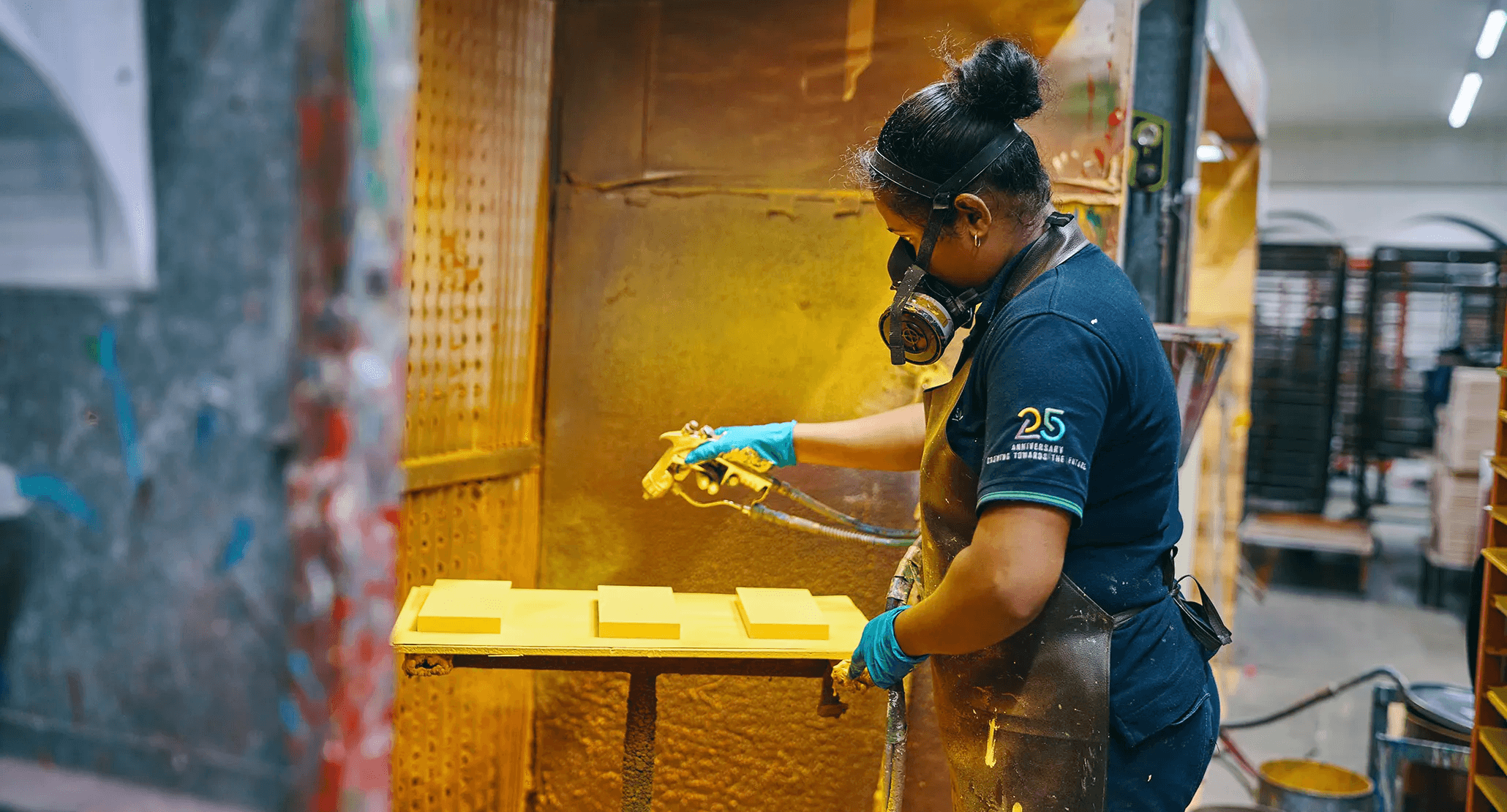
Nienhuis has set the standard for authentic Montessori materials since 1929
A product isn't finished when it looks right on screen. It's finished when it survives a classroom, holds its finish through years of small hands, and teaches exactly the one thing it was meant to teach.
At Nienhuis Asia — the Sri Lankan design and manufacturing base for Nienhuis Montessori — I led the print and design team and directed the creative and art direction on product design, producing for the global catalogue and for private-label clients across Europe. A knobbed cylinder is machined to a tolerance a child's fingers can feel. The colour of a bead has to match the same bead made a decade earlier, in a different country. That is the standard. It does not bend.
From a pedagogical need to a catalogue-ready product — five stages
Pedagogy & brief
Every product starts with a learning objective, not a design brief. My job was to understand the educational intent well enough to protect it through every decision that followed.
Technical design
I translated pedagogical intent into production-ready files — dimensions, tolerances, cut paths, engrave depths. A 0.2mm error here isn't cosmetic. It's educational.
Prototype & test
We built it, put it in front of real use, and listened. Does the knob resist enough? Does the weight feel right in a four-year-old's hand? The body knows before the mind does.
Material & production
Wood selection, machining sequences, ICC colour profiling, finish durability. Everything had to be repeatable across thousands of units without drifting.
Catalogue
Photography, packaging, documentation. If I couldn't explain the product in the catalogue, I hadn't understood it well enough to make it.
What I led — and what I delivered
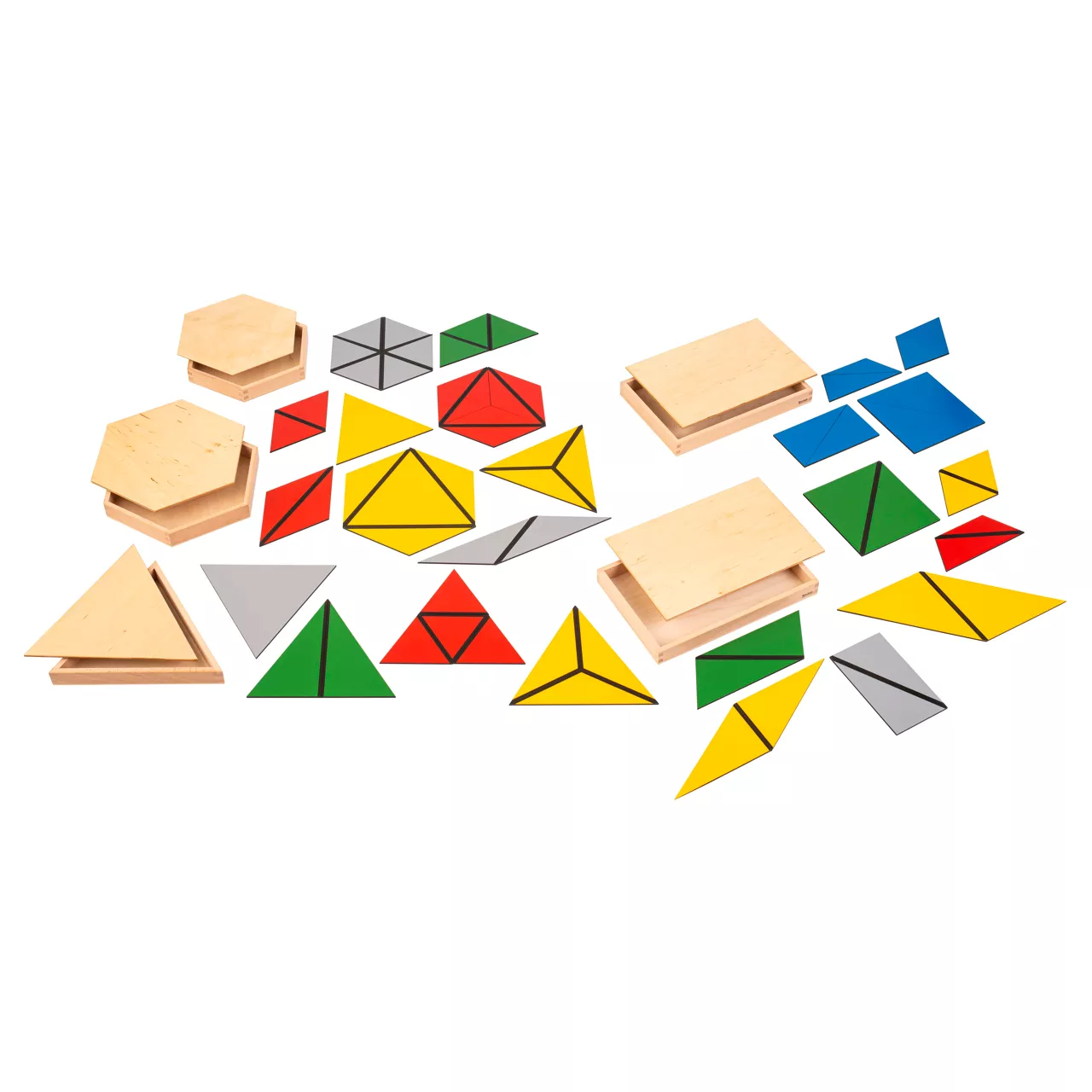
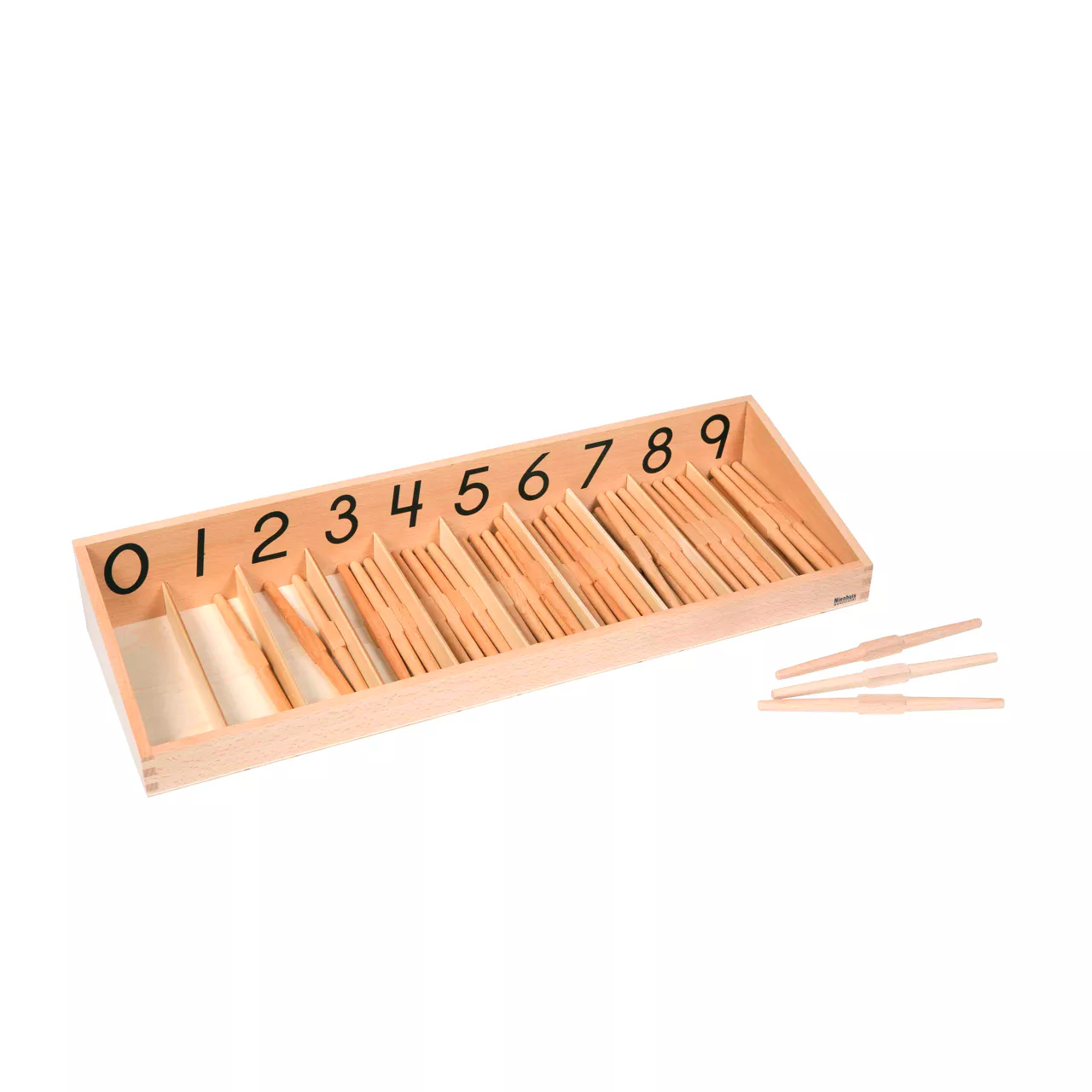
Selected products
refined or produced
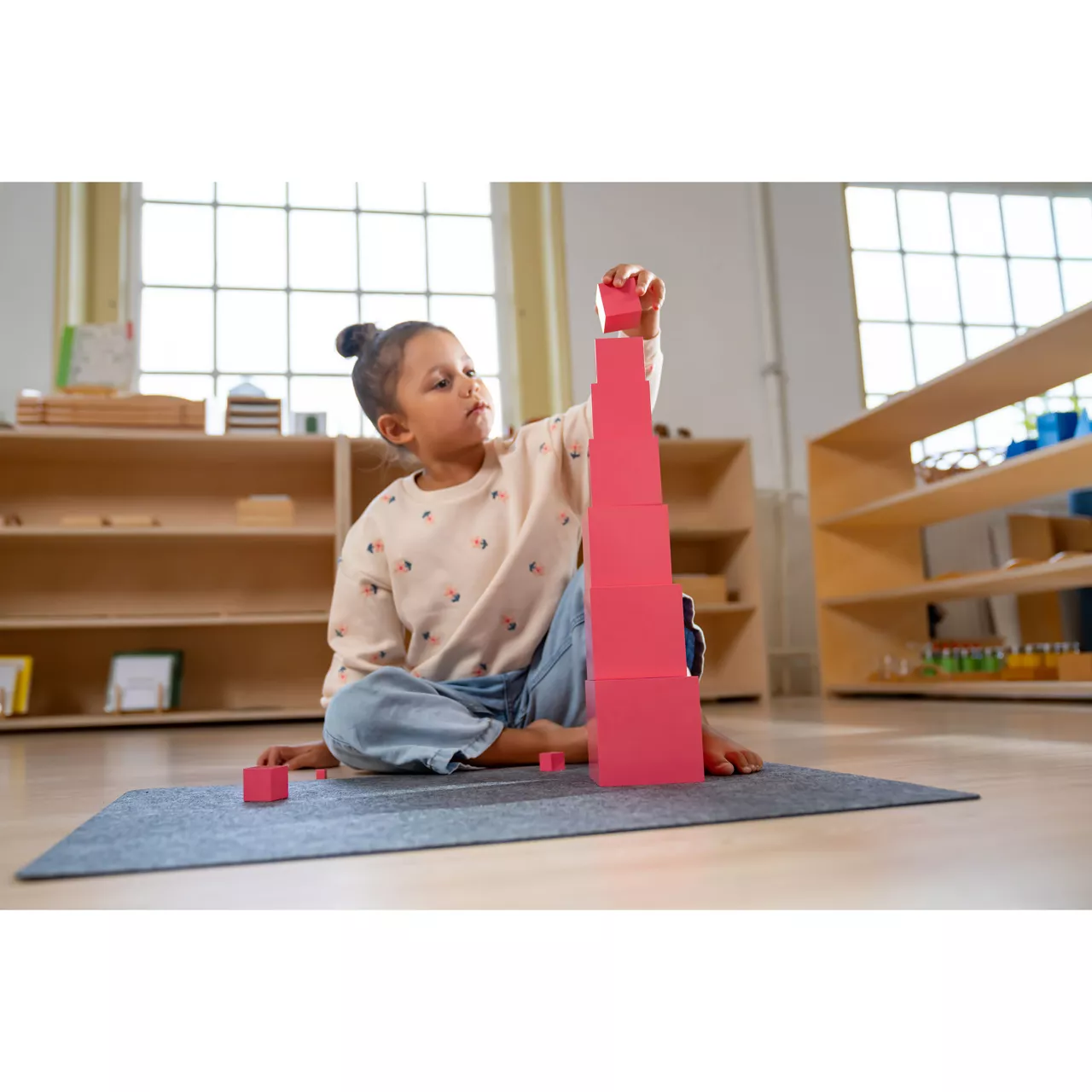
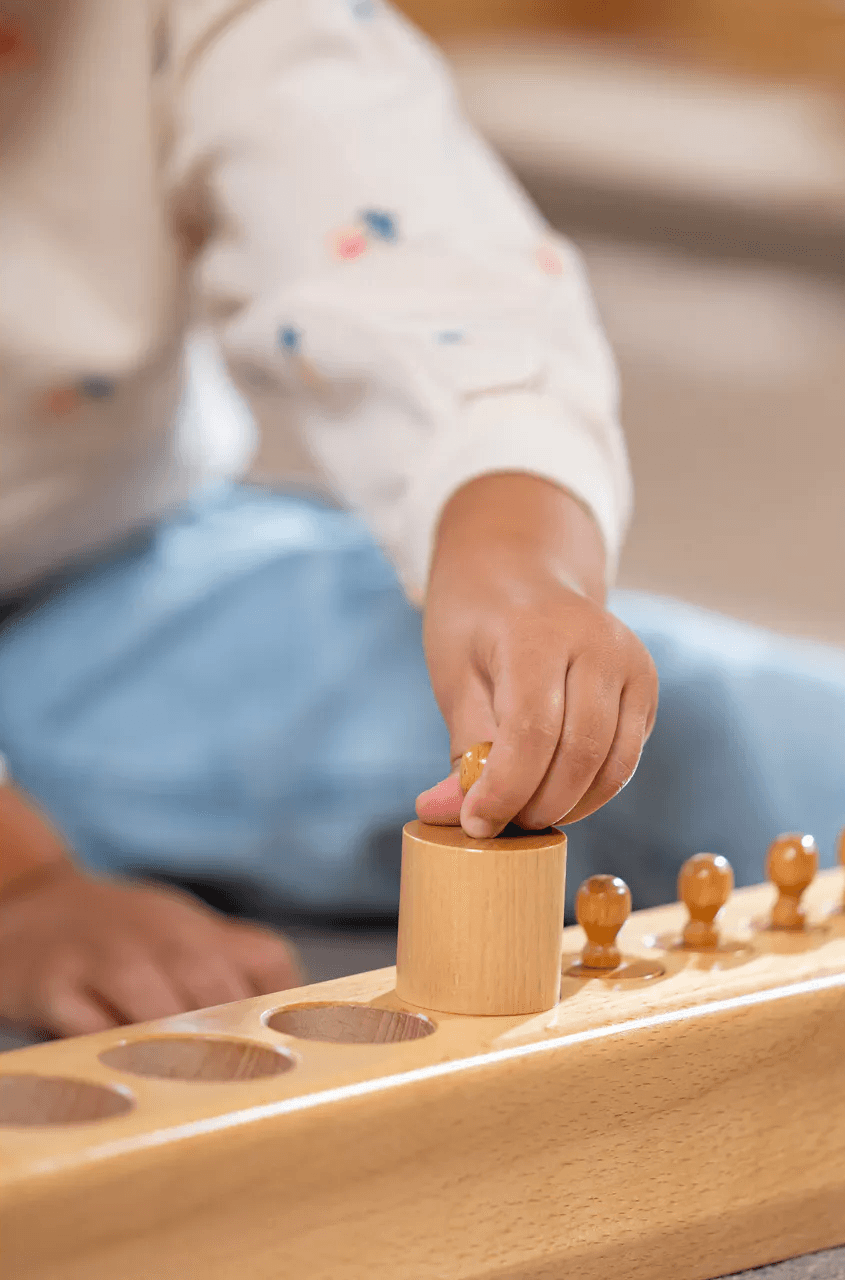

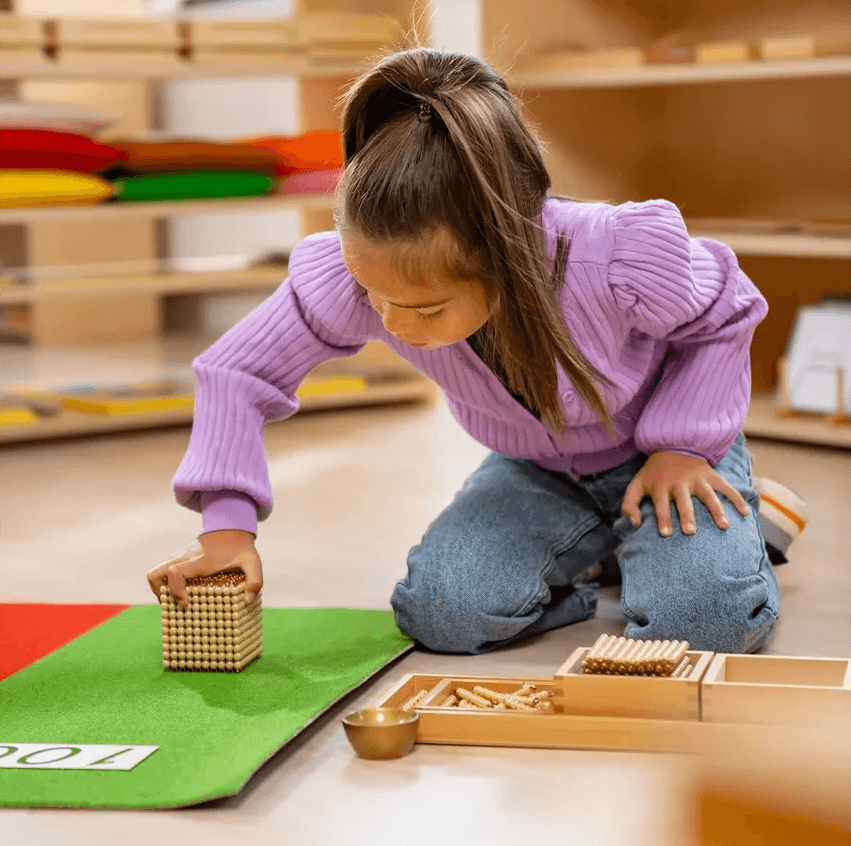

Eleven years of constraints. Now imagine what happens when you hand me yours
That background carries into everything now — work that turns abstract ideas into objects people can hold. Senior design roles, creative direction, educational design. Full UK work rights.
Eleven years making
the materials that teach
Senior Creative Manager at Nienhuis Asia — the Sri Lankan design and manufacturing base for Nienhuis Montessori, creating learning objects shipped to a hundred countries.
Montessori isn't a brand of furniture. It's a design philosophy — one where the object does the teaching.
Maria Montessori started from one idea: children learn by doing. The adult prepares the environment and steps back. That puts everything on the materials — they have to be precise, self-explanatory, and beautiful enough that a child returns to them without being asked.
The prepared environment
Everything is child-scaled, ordered, and within reach. The room itself teaches independence before a single lesson begins.
Isolate one quality
Each material teaches a single concept. The Pink Tower changes only in size — not colour, not shape — so attention has nowhere else to go.
Control of error
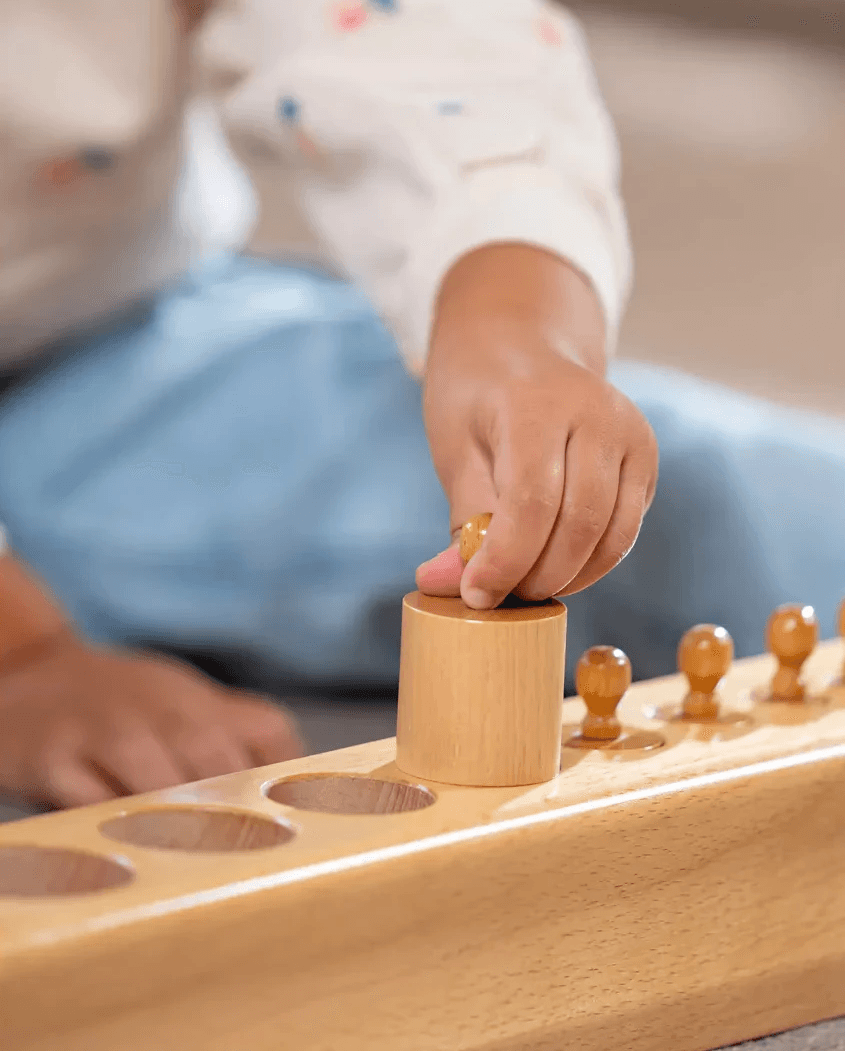
The object reveals the mistake, not the teacher. A cylinder that won't fit its socket lets the child self-correct, privately and without shame.
The material is the teacher
The adult demonstrates once, then withdraws. The child works alone with the object — which means the object cannot afford to be vague.
Nienhuis has set the standard for authentic Montessori materials since 1929
A product isn't finished when it looks right on screen. It's finished when it survives a classroom, holds its finish through years of small hands, and teaches exactly the one thing it was meant to teach.
At Nienhuis Asia — the Sri Lankan design and manufacturing base for Nienhuis Montessori — I led the print and design team and directed the creative and art direction on product design, producing for the global catalogue and for private-label clients across Europe. A knobbed cylinder is machined to a tolerance a child's fingers can feel. The colour of a bead has to match the same bead made a decade earlier, in a different country. That is the standard. It does not bend.
From a pedagogical need to a catalogue-ready product — five stages
Pedagogy & brief
Every product starts with a learning objective, not a design brief. My job was to understand the educational intent well enough to protect it through every decision that followed.
Technical design
I translated pedagogical intent into production-ready files — dimensions, tolerances, cut paths, engrave depths. A 0.2mm error here isn't cosmetic. It's educational.
Prototype & test
We built it, put it in front of real use, and listened. Does the knob resist enough? Does the weight feel right in a four-year-old's hand? The body knows before the mind does.
Material & production
Wood selection, machining sequences, ICC colour profiling, finish durability. Everything had to be repeatable across thousands of units without drifting.
Catalogue
Photography, packaging, documentation. If I couldn't explain the product in the catalogue, I hadn't understood it well enough to make it.
What I led — and what I delivered
Selected products
refined or produced
Eleven years of constraints. Now imagine what happens when you hand me yours
That background carries into everything now — work that turns abstract ideas into objects people can hold. Senior design roles, creative direction, educational design. Full UK work rights.